Smart Interiors and Smart Surfaces: How Technology Becomes a Part of Design Rather than a Hindrance
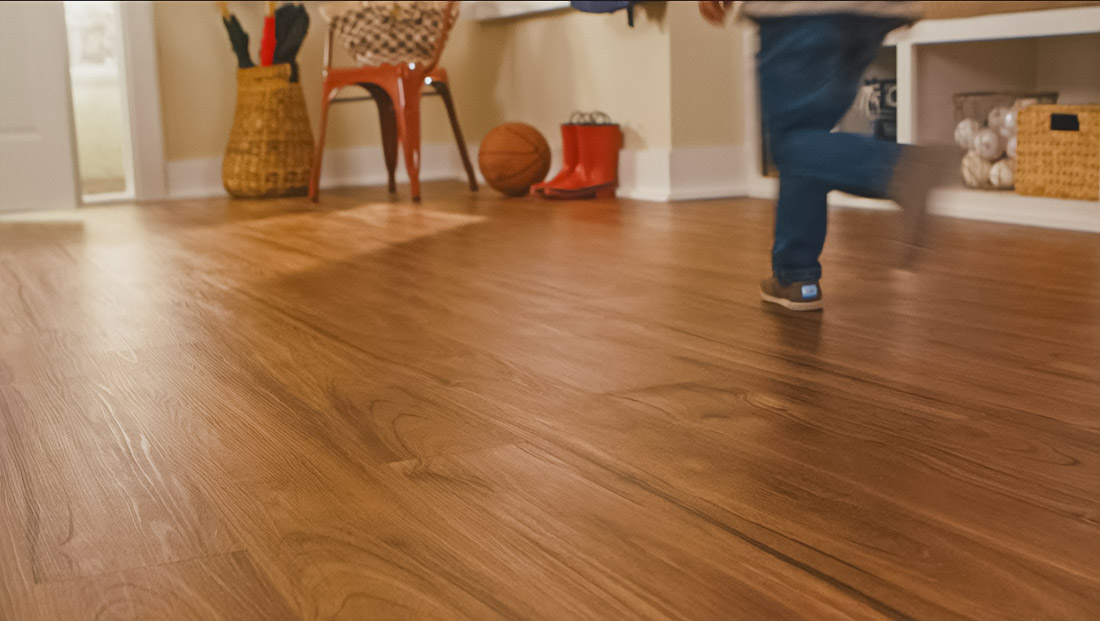
Technology in the house has long ceased to be a showcase. The user no longer wants “smart” for the very fact of being smart. He needs comfort, visual integrity, and predictable space behavior. In order for the lights to turn on on time, the climate was kept steady, and the interior did not turn into an exhibition of sensors.
Integration can go differently. Not by adding more and more new devices, but by redesigning the very logic of the environment. A smart home is gradually ceasing to be a set of gadgets and turning into a system where interior design, automation and architectural surfaces work together. Ideally, a person interacts with space, not with a list of applications.
As Iot grows, designers and architects are increasingly faced with the challenge of covert integration. The space should remain “clean” visually. At the same time, it must be adaptive, energy efficient, and personalized. And here a key tool appears: modern systems of interior coverings and wrappers that allow you to hide sensors, interfaces and technical elements in walls, panels and furniture surfaces.
The Evolution of the Smart Home: From Functions to Environment
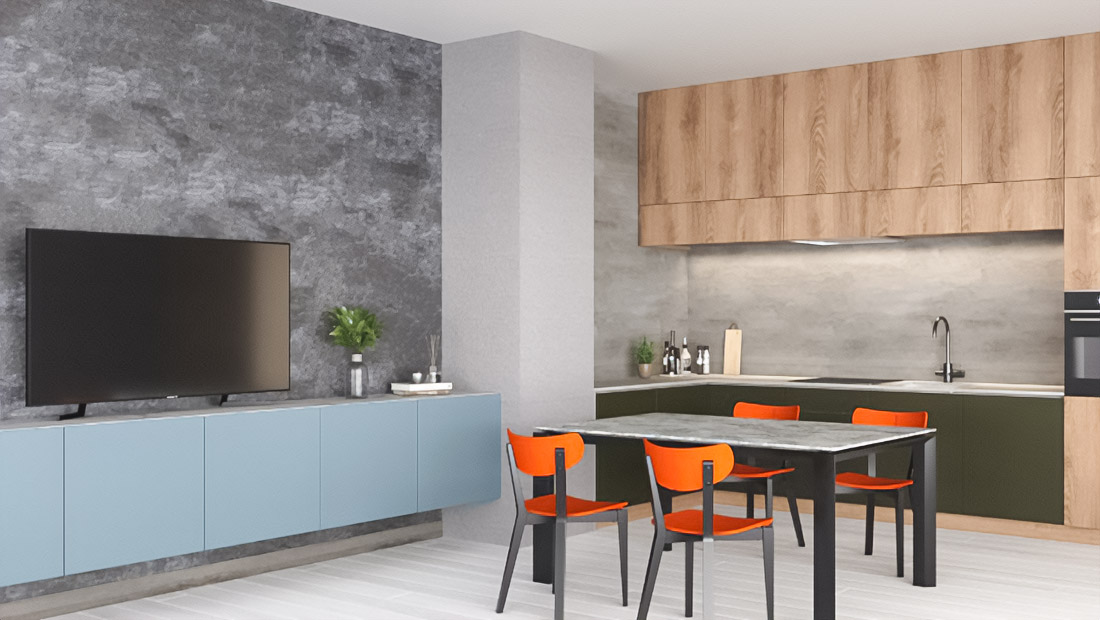
The first automation systems solved point-based tasks. Lighting is separate. The climate is separate. Security is separate. Over time, there were too many devices, and their visible presence began to argue with the interior. There was a conflict: either functionality or aesthetics.
But the conflict turned out to be temporary. The strategy has changed, and technologies have begun to “integrate” into the architecture. Smart interiors today are more often based on the principles of minimalism, functional aesthetics and seamless integration. Walls, furniture, and decorative materials increasingly hide wiring, controllers, sensors, and interfaces. Solutions like furniture wrapping allow cabinets and facades to function as part of a unified smart environment rather than as standalone furniture elements.
This change of approach is also prompted by the market. The text mentions an estimate that the global smart home market could reach $622.59 billion by 2026. This is an important marker of mass demand: smart systems are moving from an experiment to a standard for residential and commercial spaces.
Smart Surfaces as the Basis of Smart Spaces
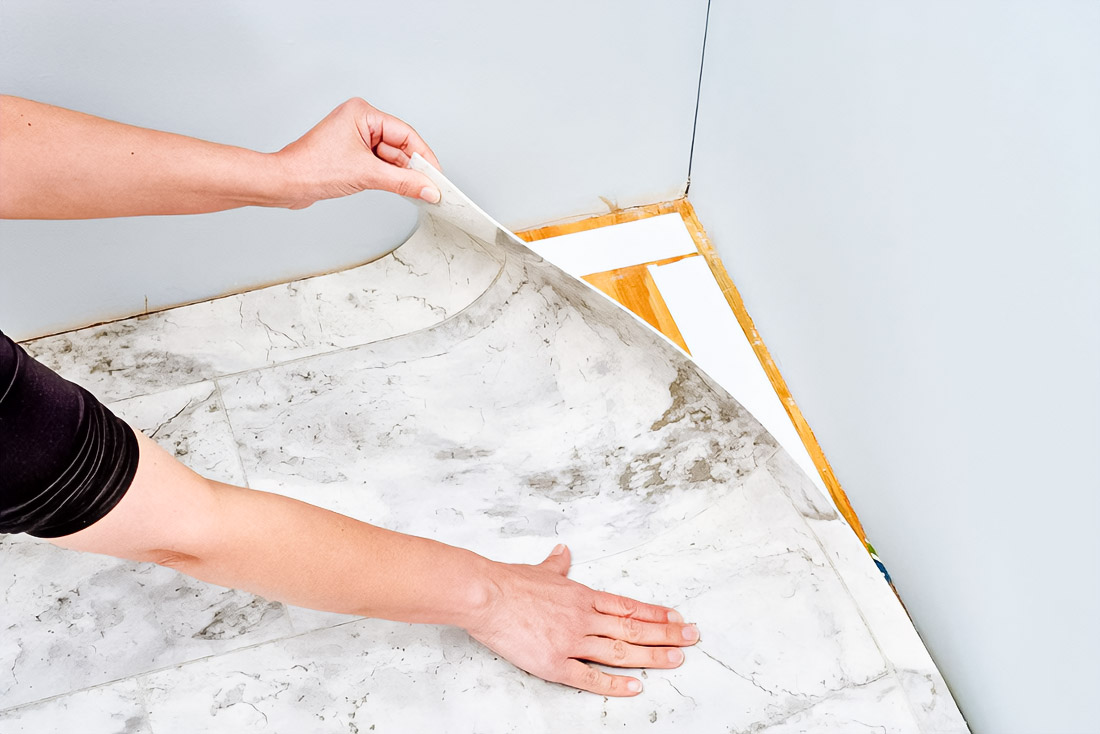
If devices are “points”, then surfaces are “fields”. Smart surfaces have become one of the most promising areas: they combine material and functionality so that the shell of the interior itself turns into an interface. However, it doesn’t have to look like an interface.
The concept is simple but powerful. The coating responds to environmental conditions, human behavior or automation commands. And it does it without unnecessary visual noise. Therefore, smart walls, panels, and coatings can include:
- Touch control zones,
- built-in backlight,
- collecting presence and activity data,
- Temperature and light control,
- Interactive elements without separate screens.
As a result, architectural surfaces do not compete with design. They become a part of the design, and an invisible one at that. And this is exactly what is perceived as a premium level: when it is “smart” but not “revealing”.
Light, Biological Rhythms and Climate: When the Interior Works for Humans
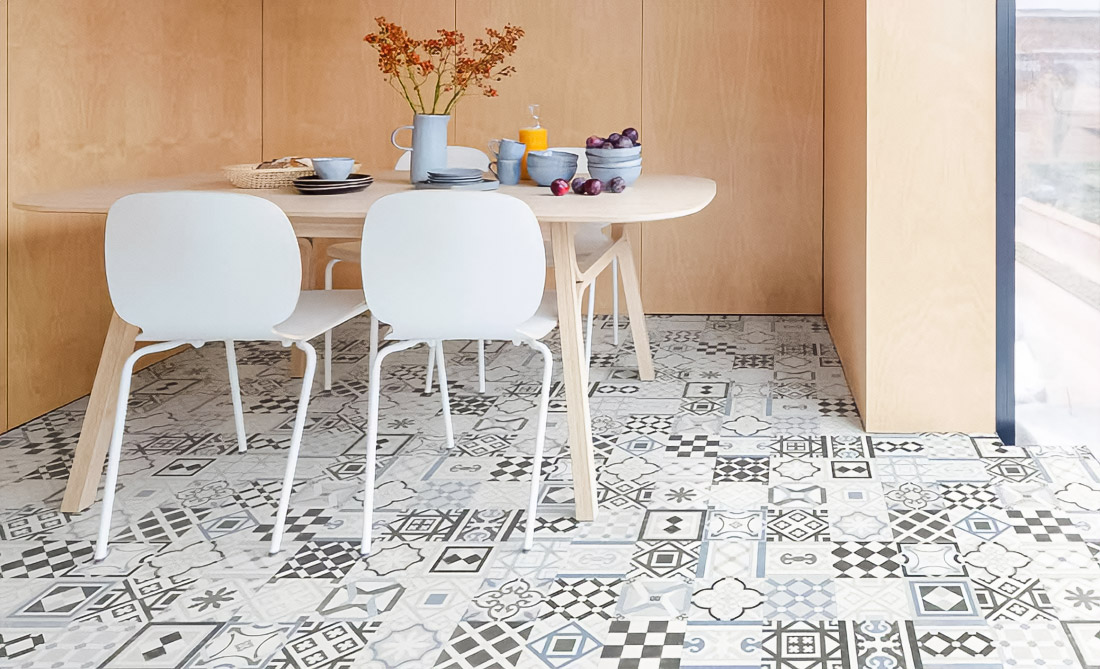
Lighting occupies a special place in smart interiors. It’s not just about brightness. More important is the support of circadian rhythms, that is, the natural logic of wakefulness and rest. Therefore, intelligent systems can change the color temperature and light intensity during the day, adapting to natural lighting.
This is directly related to wellness design and a sense of well-being. When ventilation, climate control, and smart lighting are connected in a single scenario, comfort is achieved without constant manual intervention. A man doesn’t run a house every minute. The house behaves smoothly and predictably.
Energy efficiency here becomes not a bonus, but a must-have effect. The source text states that modern intelligent systems and materials can reduce energy consumption in buildings by an average of 10-20%. This means that a smart interior can be both convenient and economically feasible.
Hidden Automation and Visual Cleanliness
Technological “invisibility” is one of the main themes of the modern interior. Hidden wiring. Built-in modules. Modular infrastructure. Smart furniture. All this helps to keep the space visually calm.
Minimalism is not about the style in the magazine here. Minimalism is a functional necessity here. The more sensors and scenarios there are, the more important it is to properly distribute and integrate. Otherwise, the house turns into a set of separate consoles. But the correct goal is the opposite: a single user experience, a single logic of interaction, a single sense of control.
When technologies are hidden, they stop “interfering”. But they don’t disappear. They just stop demanding attention.
Intelligent Materials and Sustainable Design
The development of smart materials is increasingly linked to sustainable design. Coatings are becoming more practical. They receive the properties of self-cleaning, UV protection, resistance to wear and contamination. This reduces maintenance requirements and extends the service life of the finish.
At the same time, there is a growing interest in surfaces that not only protect but also “work”. The source text mentions that the cost of photovoltaic technologies has decreased by more than 90% over the past ten years. Against the background of such a drop in prices, the introduction of energy-generating surfaces, smart windows and adaptive facades is accelerating. These solutions are increasingly included in architectural and interior projects because they are no longer exotic.
Stability here consists of several layers. Durability of the finish. Fewer repairs. Less replacement of materials. It takes less time and resources.
Personalization and Adaptive Spaces
Personalization is one of the most valuable advantages of smart interiors. The system takes into account user behavior, illumination, temperature, and space usage. Then automatically adjusts the scenarios. No questions asked. Without constant reminders.
This is how adaptive spaces appear. They change depending on the time of day. They behave differently when there are more people. They support different usage scenarios, especially in multifunctional rooms and residential interiors and workplaces enhanced with solutions like
office vinyl wrap in dubai, where surfaces themselves become part of the adaptive system.
At the same time, the scale of the IoT continues to grow. The text contains a forecast: more than 31 billion IoT devices by 2030. It is impossible to manage so many technologies without architectural integration. Otherwise, the control will sink into the settings and not help.
The Future of Smart Interiors: Less visible, More Predictable
Smart interiors are moving towards a complete combination of design, automation and data. The surfaces become more interactive. Technology is becoming less visible. Space becomes more predictable.
The meaning is changing. Future interiors are not built around individual devices. They are built around life scenarios, comfort and well-being. Therefore, smart surfaces, hidden automation and adaptive design are becoming the basis of a new approach to the design of residential and commercial spaces.
Technology should no longer be a distraction. They must be supportive. And if everything is done correctly, the person does not notice the sensors and panels. He notices the calmness in the space. He notices the convenience. He notices the order.

Snowboarder, doer, band member, Mad Men fan and front-end developer. Acting at the nexus of simplicity and programing to craft meaningful ideas that endure. Concept is the foundation of everything else.