What Is Melasma? Causes, Treatment Options, and Prevention Tips in Dubai
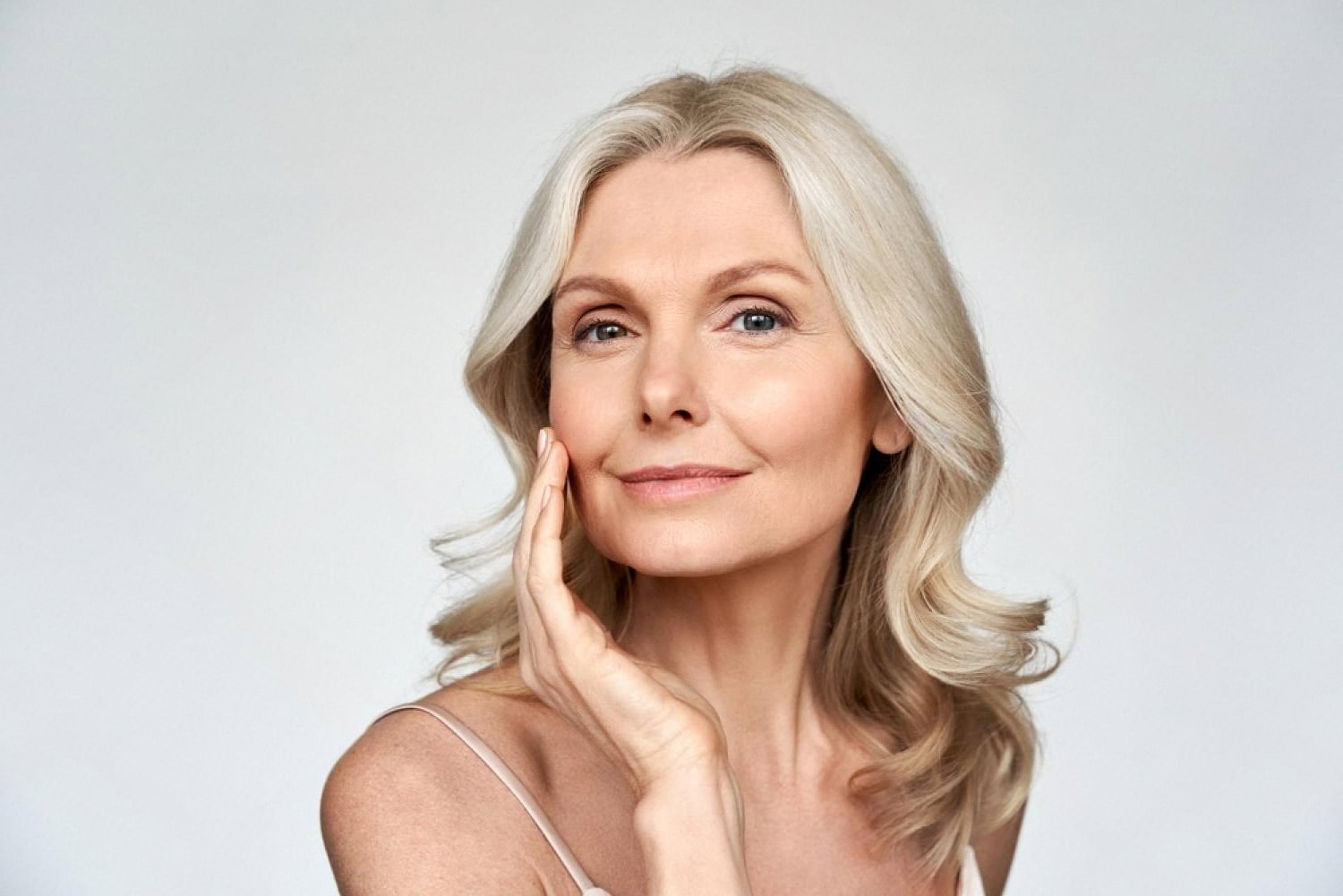
Melasma is one of the most common pigmentation concerns walking into dermatology clinics across Dubai and Abu Dhabi. It shows up as brown or greyish patches, usually on the cheeks, forehead, upper lip, and bridge of the nose, and it tends to be stubborn. Global prevalence estimates range from about 1% in the general population to as high as 50% in high-risk groups, and the Middle East sits firmly on the higher end because of a specific mix of factors: intense year-round UV, high humidity in summer, and skin phototypes III to V that produce melanin more readily.
If you have noticed a symmetrical shadow across your cheeks that darkens after a beach day at JBR or a weekend in Hatta, you are likely dealing with melasma rather than a suntan. Understanding what is driving it matters, because the wrong treatment can make it worse.
The basics
What causes melasma
Melasma happens when pigment-producing cells called melanocytes go into overdrive and deposit excess melanin into the skin. It is not an infection, not contagious, and not caused by poor hygiene. It is a signal that your skin is reacting to a combination of triggers, and in the UAE those triggers stack up quickly.
The main drivers are ultraviolet and visible light exposure, hormonal shifts, genetic predisposition, and heat itself. According to the American Academy of Dermatologyup to 90% of people who develop melasma are women, and darker skin types are affected more often than lighter ones.
Why the UAE climate makes it worse
Year-round UV
Dubai sees roughly 10 to 11 hours of daylight even in winter, with UV index readings above 10 for much of the year. That is enough to keep melanocytes active daily.
Visible light
High-energy visible light, including the blue light from screens and reflected light off pale buildings and desert sand, worsens pigmentation even indoors.
Heat
Ambient heat during UAE summers, when temperatures often exceed 45°C, independently stimulates melanocyte activity, so shade alone is not enough.
Hormones and pregnancy
Why women get it more during pregnancy
Melasma is sometimes called the “mask of pregnancy” because roughly 15 to 50% of pregnant women develop it, usually in the second or third trimester. Estrogen and progesterone stimulate melanocytes, and when combined with UV exposure the effect compounds.
- Combined oral contraceptives can trigger or worsen it
- Hormone replacement therapy has a similar effect
- Thyroid dysfunction is more common in melasma patients
- A balanced pregnancy diet plan that supports skin health and stable blood sugar can help reduce inflammation that fuels pigmentation
Risk factors
Who is more likely to get it
- Family historyaround 33 to 50% of patients report a close relative with melasma
- Skin phototype III to Vcommon across South Asian, Arab, and Southeast Asian populations living in the UAE
- Women aged 20 to 40the peak years for hormonal activity
- Frequent sun exposure without protectionincluding drivers, outdoor workers, and beach regulars
- Certain medicationsincluding some anti-seizure drugs and photosensitising antibiotics
Comparing melasma treatments
Topical creams
The first-line treatment worldwide. Hydroquinone at 2 to 4% remains the gold standard, often combined with tretinoin and a mild steroid (the “Kligman formula”). Studies show around 60 to 70% of patients see meaningful improvement within 8 to 12 weeks. Non-hydroquinone options like azelaic acid, kojic acid, tranexamic acid, and cysteamine are gentler alternatives.
Chemical peels
Glycolic acid, mandelic acid, and low-strength TCA peels can accelerate results when layered with topicals. In darker UAE skin types, superficial peels are safer, deeper peels carry a higher risk of post-inflammatory hyperpigmentation. Expect 4 to 6 sessions spaced 2 to 4 weeks apart.
Laser and light devices
Q-switched Nd:YAG and picosecond lasers are the most studied for melasma. Success rates hover around 50 to 60%, but recurrence within 6 months is common. Aggressive laser settings can trigger rebound pigmentation, so conservative parameters and experienced hands matter enormously.
Oral medications
Oral tranexamic acid at 250 mg twice daily has become popular over the last decade. Clinical trials report improvement in 70 to 80% of patients within 8 to 12 weeks, though it requires screening for clotting risk. Polypodium leucotomos and glutathione are also used adjunctively.
Realistic expectations
Which treatments work best and how often it returns
The strongest evidence supports a combination approach: daily broad-spectrum sunscreen, topical triple therapy, and oral tranexamic acid in resistant cases. Monotherapy rarely works long term.
Recurrence is the honest part of this conversation. Even with successful clearance, roughly 50% of patients see melasma return within a year if sun protection lapses, and figures climb higher during UAE summers. This is why dermatologists frame melasma as a condition you manage, not one you finish treating.
Preventing melasma in UAE weather
- Use SPF 50+ every single day. Reapply every two hours outdoors, and once at midday even indoors near windows.
- Choose tinted mineral sunscreens. Iron oxides in tinted formulas block visible light, which regular chemical sunscreens do not.
- Wear a wide-brim hat and UV-blocking sunglasses. A 10 cm brim reduces facial UV exposure by around 50%.
- Avoid direct sun between 10 am and 4 pmespecially May through September when UV index regularly hits 11+.
- Skip hot yoga, saunas, and long steam sessions during active flare-ups, as heat alone worsens pigmentation.
- Reduce screen time or use a mineral SPF on face while working, since blue light contributes to pigmentation in darker skin types (see peer-reviewed research on visible light and pigmentation).
- Review hormonal medications with your doctor if melasma is worsening.
Why melasma needs long-term care
Quick fixes rarely hold. A patient who does a six-session laser package in December and stops sunscreen by March is very likely to see the patches return darker than before. Melasma responds to consistency: a simple daily routine done for years beats an aggressive protocol done for three months.
A sustainable plan for UAE residents usually looks like this: a maintenance topical (azelaic acid, tranexamic acid, or cysteamine) most nights, tinted SPF every morning, a review with a dermatologist every 6 to 12 months, and short courses of stronger treatment during flare-ups. Bloodwork to check thyroid and iron status is worth doing once, since underlying imbalances can undermine everything else.
Melasma is not dangerous, but it is emotionally draining for many patients. The good news is that the tools available in 2024 are genuinely effective when used properly and paired with realistic expectations about a chronic, sun-driven condition in one of the sunniest countries on earth.
Frequently asked questions
Can melasma go away on its own after pregnancy?
Sometimes, yes. Pregnancy-induced melasma fades in about 30 to 40% of women within a year after delivery as hormones stabilise. However, in UAE conditions with constant sun exposure, the patches often persist or return quickly. Continuing sunscreen and a gentle topical postpartum improves the odds of full clearance.
Is laser treatment safe for melasma on darker skin?
It can be, but only with the right device and settings. Q-switched Nd:YAG and picosecond lasers used at low fluence are generally safer for skin phototypes IV and V common in the UAE. Aggressive IPL or ablative lasers can trigger rebound pigmentation that is harder to treat than the original melasma.
Always choose a dermatologist with specific experience treating pigmentation in Middle Eastern or South Asian skin.
How long does it take to see results from melasma treatment?
Topical treatments typically show visible improvement between 8 and 12 weeks of daily use. Oral tranexamic acid usually starts working within 6 to 8 weeks. Chemical peels and laser sessions build results over 4 to 6 treatments. Patience is essential: melasma took months to develop and rarely clears in weeks.
Which sunscreen is best for melasma in Dubai?
A tinted mineral sunscreen with SPF 50+ containing zinc oxide, titanium dioxide, and iron oxides is ideal. Iron oxides are important because they block visible light, which contributes significantly to melasma in darker skin. Reapply every two hours outdoors and once during long indoor days near windows.
Can diet affect melasma?
Diet is not a direct cause, but nutrition influences inflammation and hormonal balance, both of which affect pigmentation. Diets rich in antioxidants, adequate iron, and vitamin D support skin repair. During pregnancy, a structured meal plan that stabilises blood sugar and supports thyroid function can indirectly help reduce flares.
Is melasma the same as sun spots or age spots?
No. Sun spots (solar lentigines) are usually small, round, and appear later in life from cumulative UV damage. Melasma is patchy, symmetrical, larger, and driven by a mix of hormones, genetics, and sun exposure. The treatments overlap but are not identical, so an accurate diagnosis matters.
Do I need to see a dermatologist or can I treat melasma with over-the-counter products?
Mild cases sometimes respond to over-the-counter azelaic acid, niacinamide, and diligent sunscreen. Moderate to severe melasma almost always needs prescription-strength topicals or oral therapy, which require a dermatologist. Self-treating with strong hydroquinone or unregulated skin-lightening creams can cause ochronosis, a permanent bluish discolouration.

Snowboarder, doer, band member, Mad Men fan and front-end developer. Acting at the nexus of simplicity and programing to craft meaningful ideas that endure. Concept is the foundation of everything else.